

Protecting electrical connections is critical for maintaining safety, reliability, and long-term performance. Whether cables are being installed in an industrial facility, utility network, telecom system, renewable energy project, or outdoor electrical environment, choosing the right cable protection method can make a significant difference.
Two widely used options are heat shrink tubes and cold shrink tubes. Both are designed to insulate, seal, protect, and reinforce electrical connections, but they work differently and are better suited to different applications.
So, which one should you choose?
The answer depends on factors such as the installation environment, cable type, available tools, safety requirements, sealing performance, and maintenance needs.
This guide explains the key differences between heat shrink and cold shrink technologies, their advantages, limitations, applications, and how to choose the right solution for your project.
What Are Heat Shrink Tubes?
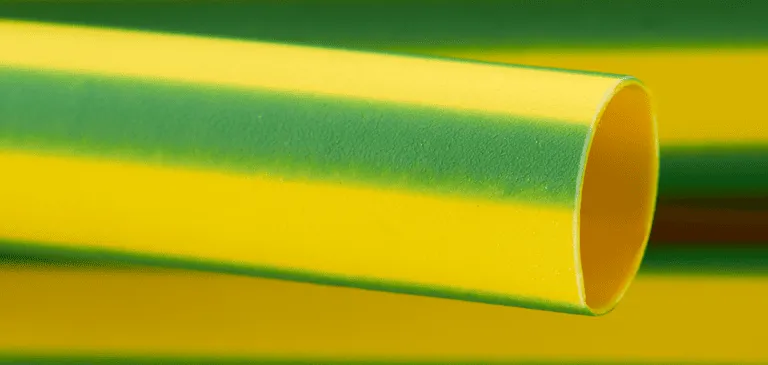
Heat shrink tubes are specially manufactured polymer tubes that shrink tightly around cables, joints, terminals, or electrical connections when heat is applied.
During installation, the tube is positioned over the required area and heated using an appropriate heat source. As the material contracts, it creates a tight protective layer around the cable or component.
Heat shrink tubing is commonly manufactured from materials such as polyolefin and other engineered polymers designed to provide insulation and mechanical protection.
Common Uses of Heat Shrink Tubes
Heat shrink tubing is commonly used for:
-
Electrical cable insulation
-
Cable joint protection
-
Wire identification and organisation
-
Mechanical protection
-
Moisture resistance
-
Terminal insulation
-
Cable repairs
-
Strain relief
-
Bundling electrical wires
Because of its versatility, heat shrink technology is widely used across electrical, industrial, automotive, telecommunications, utilities, renewable energy, and infrastructure applications.
What Are Cold Shrink Tubes?
Cold shrink tubes provide cable sealing and insulation without requiring heat during installation.
They are typically made from highly elastic materials such as silicone rubber or EPDM and are supplied pre-expanded over a removable support core.
During installation, the tube is positioned over the cable or connection. The internal support is then removed, allowing the tube to contract naturally around the cable.
No flame, torch, or heat gun is required.
This makes cold shrink particularly useful in environments where heat-based installation may be difficult, restricted, or undesirable.
Heat Shrink vs Cold Shrink Tubes: Quick Comparison
| Feature | Heat Shrink Tubes | Cold Shrink Tubes |
|---|---|---|
| Installation Method | Requires heat | No heat required |
| Installation Tools | Heat gun or approved heat source | Minimal tools |
| Installation Speed | Moderate | Generally faster |
| Fire or Heat Restrictions | May require additional precautions | Suitable where open heat is restricted |
| Cable Sealing | Excellent when installed correctly | Strong continuous sealing |
| Mechanical Protection | Very good | Very good |
| Installation Skill | Proper heating technique required | Generally easier |
| Irregular Cable Shapes | Good | Excellent flexibility |
| Outdoor Applications | Suitable with correct material | Highly suitable depending on product |
| Maintenance | Durable | Durable and flexible |
Both systems can provide effective protection. The correct choice depends on the specific installation conditions.
Why Choose Heat Shrink Tubes?
Heat shrink technology remains one of the most widely adopted cable insulation solutions because of its durability, versatility, and reliable performance.
1. Strong Mechanical Protection
Once correctly installed, heat shrink tubing forms a strong outer protective layer around cables and connections.
It can help protect against:
-
Abrasion
-
Mechanical wear
-
Dirt
-
Moisture
-
Environmental exposure
-
Accidental cable damage
This makes heat shrink a practical choice for demanding industrial and electrical environments.
2. Tight and Secure Fit
Heat shrink material conforms closely to the shape of the cable or electrical component.
The resulting fit can help provide effective insulation and environmental protection when the correct tubing size and installation procedure are used.
3. Wide Range of Sizes and Materials
Heat shrink tubing is available in different:
-
Diameters
-
Shrink ratios
-
Wall thicknesses
-
Materials
-
Colours
-
Voltage classes
-
Environmental ratings
This gives engineers and installers flexibility when choosing protection for different cable systems.
4. Excellent for Permanent Installations
For cable connections that are unlikely to require frequent changes, heat shrink can provide a strong and long-lasting protective solution.
It is widely used for cable joints, terminations, electrical repairs, and industrial installations.
When Should You Use Heat Shrink Tubes?
Heat shrink may be the preferred choice when:
-
A highly secure protective covering is required
-
Heat application is permitted at the installation site
-
Mechanical protection is a priority
-
A permanent electrical connection is being installed
-
The installer has access to appropriate tools
-
The project requires a specific shrink ratio or wall thickness
-
The cable system requires durable insulation and environmental protection
Heat shrink systems can be particularly effective in controlled industrial environments where installers can safely apply heat and follow the manufacturer’s recommended installation procedure.
Why Choose Cold Shrink Tubes?
Cold shrink technology has become increasingly popular because it simplifies installation while maintaining effective cable protection.
1. No Heat Is Required
One of the biggest advantages of cold shrink tubes is that they do not require a heat gun or flame during installation.
This can be especially valuable in areas where:
-
Open flames are restricted
-
Heat-sensitive equipment is nearby
-
Space is limited
-
Additional hot-work safety procedures would otherwise be required
The absence of heat can simplify the installation process significantly.
2. Faster Installation
Cold shrink systems are designed for straightforward installation.
The installer simply positions the tube and removes the support core, allowing the material to contract around the cable.
For projects involving multiple cable joints or terminations, this can improve installation efficiency.
3. Continuous Radial Pressure
Cold shrink materials are highly elastic.
After installation, the material continues to maintain pressure around the cable or connection, helping it adapt to changes caused by temperature cycling, cable movement, or environmental conditions.
This characteristic can be particularly useful in outdoor and demanding electrical environments.
4. Suitable for Confined Spaces
Using a heat gun or torch in a restricted space can be difficult.
Cold shrink systems can simplify installations in:
-
Electrical cabinets
-
Underground cable systems
-
Cable trenches
-
Telecommunications infrastructure
-
Utility installations
-
Restricted industrial areas
When Should You Use Cold Shrink Tubes?
Cold shrink may be more suitable when:
-
Heat or open flame cannot be used
-
Installation speed is important
-
The cable is installed in a confined location
-
The project involves outdoor exposure
-
Flexibility is required
-
The cable may experience expansion and contraction
-
Simplified installation is preferred
Cold shrink technology is frequently selected for cable terminations, telecommunications systems, electrical utilities, renewable energy applications, and industrial installations.
Which Offers Better Environmental Protection?
Both heat shrink and cold shrink products can provide strong environmental protection when correctly selected and installed.
The actual performance depends on factors including:
-
Material composition
-
Product quality
-
Cable size
-
Installation technique
-
Exposure conditions
-
Temperature range
-
UV exposure
-
Moisture levels
-
Voltage requirements
For outdoor installations, engineers should choose products specifically designed for UV, moisture, temperature, and environmental resistance.
Cold shrink materials can offer an advantage where continuous elasticity is important, while heat shrink can provide excellent mechanical protection and sealing when installed properly.
Which Is Easier to Install?
Cold shrink is generally easier from an installation perspective because no heat source is required.
The process typically involves:
-
Preparing and cleaning the cable
-
Positioning the cold shrink tube
-
Removing the supporting core
-
Allowing the tube to contract around the cable
Heat shrink installation normally requires additional steps:
-
Selecting the correct tubing size
-
Positioning the tubing
-
Applying controlled heat evenly
-
Allowing the tube to shrink completely
-
Inspecting the installation for proper sealing
Neither system should be installed without following the manufacturer’s technical instructions.
Heat Shrink or Cold Shrink for Outdoor Applications?
Both technologies can work outdoors, but product selection is critical.
For outdoor environments, cable protection may need to withstand:
-
UV radiation
-
Rain
-
Humidity
-
Dust
-
Temperature fluctuations
-
Chemical exposure
-
Mechanical stress
Cold shrink systems can be particularly effective where temperature cycling and cable movement occur because elastic materials can maintain pressure around the cable.
However, properly specified heat shrink tubing can also provide excellent outdoor performance.
The final decision should be based on the cable system, environmental conditions, installation requirements, and manufacturer specifications rather than simply choosing one technology over the other.
Heat Shrink vs Cold Shrink for Industrial Applications
Industrial electrical systems often operate in demanding environments.
Factories, processing facilities, power systems, renewable energy installations, and infrastructure projects may expose cables to heat, moisture, vibration, dust, chemicals, and mechanical stress.
In these applications, selecting suitable cable insulation solutions requires considering more than installation convenience.
Engineers should evaluate:
-
Operating voltage
-
Cable diameter
-
Environmental exposure
-
Installation location
-
Temperature range
-
Mechanical stress
-
Required sealing performance
-
Fire and safety requirements
-
Maintenance accessibility
The best solution is the one that meets the technical requirements of the specific electrical system.
How to Choose Between Heat Shrink and Cold Shrink
Before selecting either option, ask the following questions.
Is Heat Allowed at the Installation Site?
If flames or heat guns are restricted, cold shrink may be more practical.
How Much Installation Space Is Available?
Restricted installation areas may favour cold shrink systems because additional heating equipment is not required.
What Environmental Conditions Will the Cable Face?
Consider UV exposure, moisture, temperature variation, chemicals, and mechanical stress.
Does the Cable Require Flexibility?
Cold shrink materials can maintain elastic pressure and accommodate cable movement effectively.
Is Strong Mechanical Protection Required?
Heat shrink products are widely used where durable external mechanical protection is important.
How Quickly Must the Installation Be Completed?
For large projects where installation time matters, cold shrink systems may help simplify the process.
What Does the Cable Manufacturer Recommend?
Always check cable, accessory, voltage, and application specifications before selecting a cable protection system.
Common Mistakes to Avoid
Regardless of which technology you choose, incorrect installation can reduce performance.
Common mistakes include:
-
Selecting the wrong tube diameter
-
Ignoring the required shrink ratio
-
Installing on dirty or contaminated cable surfaces
-
Applying excessive heat to heat shrink tubing
-
Using products outside their rated voltage or temperature range
-
Selecting materials unsuitable for outdoor exposure
-
Ignoring manufacturer installation guidelines
Correct preparation and product selection are just as important as choosing between heat shrink and cold shrink.
Frequently Asked Questions
What is the main difference between heat shrink and cold shrink tubes?
The primary difference is the installation method. Heat shrink tubing contracts when heat is applied, while cold shrink tubing is supplied pre-expanded and contracts naturally when its supporting core is removed.
Does cold shrink require a heat gun?
No. Cold shrink tubing is specifically designed to be installed without a heat gun, torch, or other external heat source.
Are heat shrink tubes waterproof?
Certain heat shrink products, particularly adhesive-lined options, can provide strong moisture sealing. However, waterproof performance depends on the product rating, installation method, cable preparation, and application.
Is cold shrink suitable for outdoor electrical cables?
Yes, appropriately rated cold shrink products are commonly used in outdoor electrical and telecommunications applications because of their flexibility and environmental sealing capabilities.
Which lasts longer: heat shrink or cold shrink?
Both technologies can provide long service life when the correct product is selected and properly installed. Service life depends on material quality, environmental exposure, operating temperature, cable conditions, and installation quality.
Can heat shrink and cold shrink be used on medium-voltage cables?
Specialised heat shrink and cold shrink accessories are available for certain medium-voltage cable applications. The correct product must be selected based on cable construction, voltage class, conductor size, and manufacturer specifications.
Final Thoughts: Which One Should You Choose?
There is no universal winner between heat shrink and cold shrink technologies.
Choose heat shrink tubes when you need durable mechanical protection, a tight permanent fit, and have safe access to an appropriate heat source.
Choose cold shrink tubes when fast installation, flexibility, confined-space installation, or heat-free application is a priority.
For professional electrical projects, the decision should always be based on the cable type, operating environment, voltage requirements, installation conditions, and technical specifications.
Selecting the right cable protection system helps improve safety, reliability, installation quality, and long-term performance.
For reliable electrical protection products and professional cable management solutions, explore ENASME’s range of electrical and industrial solutions designed to meet modern installation requirements.
Show less
Semper auctor neque vitae tempus quam. Scelerisque varius morbi enim nunc faucibus a pellentesque sit amet. In fermentum et sollicitudin ac orci phasellus egestas.